

Pilates and Lower Back Pain: 7 Things You Should Know Before Your Next Workout

Can a gentle workout make your back feel worse? Sometimes, it can. It depends on why your back hurts and how you do the exercises. Pilates and lower back pain can work well together. Pilates uses slow movements, core exercises, good posture, and body control. These can help you move better and build strength.
But not every exercise is right for everyone. Before your next workout, learn movements, use good form, listen to your body, and know when to stop.
7 Things to Know Before Your Next Pilates Workout
1. Understand Why Your Back Hurts
Back pain can happen for many reasons. You may hurt your back after lifting something heavy or sitting for a long time. Too much activity can also cause pain. Sometimes, back pain can happen because of a health problem. This is why it is not a good idea to copy every exercise you see online.
2. Start With Gentle, Controlled Movements
Pilates often uses slow and careful movements. This can be helpful when you want to improve your strength and movement. Start with easy exercises that feel comfortable. Pay attention to your breathing and move slowly.
You do not need to do hard exercises right away. Your body needs time to get stronger. If an exercise causes sharp or strange pain, stop. Do not try to push through the pain just to finish the workout.
3. Your Technique Matters
The way you do an exercise is very important. Even an easy Pilates exercise may cause trouble if you use poor form. Try to keep your movements smooth and controlled.
Do not force your back into a position that feels painful. If you are not sure how to do an exercise, ask a trained instructor to show you. A good instructor can also help you change an exercise so it feels more comfortable.
4. Your Core Is Only One Part of the Picture
Many people think Pilates is only about strong stomach muscles. But your whole body works together when you move. Your back, hips, legs, and core all have important jobs. Pilates can help you become more aware of how your body moves.
Building strength takes time. A stronger core does not mean that all types of back pain will disappear. The goal should be better movement and control, not simply doing more exercises.
What to Avoid During a Painful Workout
Knowing what not to do can help you stay safe during your workout.
Do not ignore sharp pain: Stop if an exercise causes sudden or unusual pain.
Do not rush: Moving too fast can make it harder to use good form.
Do not copy hard exercises: Choose exercises that match your current skill level.
Do not compare yourself with others: Everyone's body is different. You may need easier exercises or more time.
If you are looking for Pilates studios in Los Angeles, check the class level and teaching style. Look for instructors who can explain exercises clearly and offer easier options when needed. A good class should make you feel comfortable asking questions.
What Does Good Pilates Instruction Look Like?
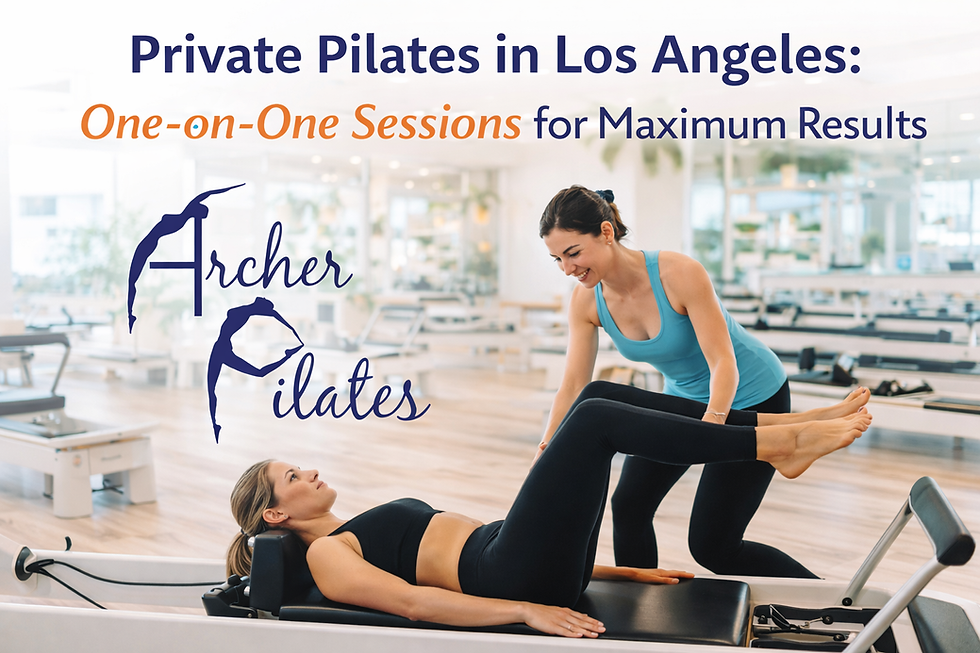
A good Pilates teacher does more than count exercises. They watch how people move and help them use the right form.
They should also explain each exercise in a clear way. If a movement is too hard, they can show you an easier version.
People who want to become Pilates teachers can look into Pilates teacher training in Los Angeles. Good training can teach future instructors about the body, movement, exercise safety, and teaching skills.
This knowledge can help instructors work more carefully with different clients.
Final Statement
Pilates can help some people build strength, improve body control, and move with more confidence. But it is not a magic fix for every kind of back pain. Choose exercises that suit you, use good form, move slowly, and listen to your body. If pain is severe or does not improve, ask a health professional for help.
Understanding Pilates and lower back pain can help you make safer choices and enjoy your workouts with confidence, comfort, and care every day.


Comments